High School Football Official Shortage Crisis: The 2025-2026 School Year Challenge
As the 2025-2026 high school football season approaches, states across the nation are grappling with a severe shortage of game officials that threatens the very fabric of America’s most popular high school sport. The crisis has reached unprecedented levels, with implications that extend far beyond Friday night lights.
The Scope of the National Crisis
The National Federation of State High School Associations (NFHS) reports that approximately 50,000 individuals have discontinued their service as high school officials since the 2018-19 season – the last full school year unaffected by the pandemic. Nationally, the number of officials has dropped from about 240,000 to 200,000, creating significant concerns for states just to cover games at all or with the maximum number of officials on a crew.
This dramatic decline affects every state in the union, though some face more acute challenges than others as they prepare for the upcoming season.
States Facing Critical Shortages
Alaska
Alaska continues to battle through an official shortage, with longtime referee Alvin Aramburo noting that officials will be managing games understaffed throughout the state. The remote nature of many Alaskan communities compounds the problem, making it even more difficult to recruit and retain officials.
Texas
High school football in the Lone Star State is in dire need of officials, including in the Austin area. Given Texas’s massive high school football program – the largest in the nation with over 1,200 participating schools – the shortage has particularly significant implications for game coverage and quality.
Colorado
Colorado’s Western Slope region has seen the officiating shortage reach concerning levels, with the Colorado High School Activities Association (CHSAA) implementing pay increases and equipment assistance programs to address the crisis. The state has increased travel reimbursement rates and launched recruitment campaigns to attract new officials.
Ohio
Ohio continues to experience ongoing challenges with football official shortages, affecting game scheduling and coverage across the state’s numerous high school programs.
Arizona
Arizona has seen many officials leave the profession amid increasing abuse from parents, coaches, and athletes, with veteran officials calling for innovative recruitment strategies.
Idaho
The Idaho High School Activities Association (IHSAA) District 1 is actively seeking new football game officials for the 2025 season, indicating ongoing shortages in the Pacific Northwest.
Contributing Factors to the Crisis
Post-Pandemic Impact
Dana Pappas, NFHS director of officiating services, noted that many losses are people who were probably on the brink of retirement, and COVID kind of forced the issue. The pandemic accelerated retirements and created a gap that hasn’t been filled by new recruits.
Poor Sportsmanship
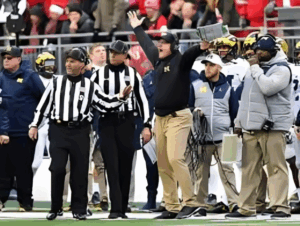
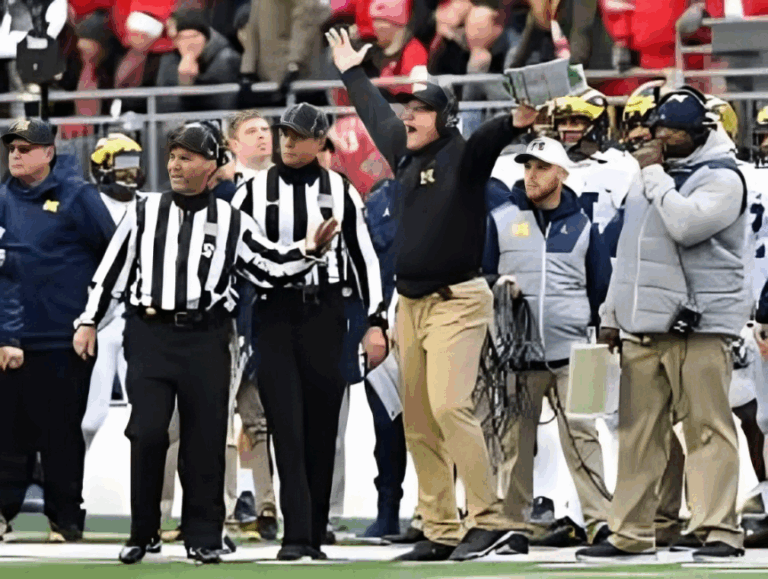
The shortage can find part of its cause in the current treatment many sideline enforcers have dealt with, as the job can sometimes be a little bit taxing. Verbal abuse, physical threats, and general disrespect from players, coaches, parents, and fans have driven many officials away from the profession.
Compensation Issues
Low pay remains a significant barrier to recruitment and retention. While some states like Colorado have implemented pay increases, compensation still lags behind neighboring states, with Nebraska paying $120 per game compared to lower rates elsewhere.
Training and Time Commitment
The extensive training requirements, ongoing education mandates, and time commitment for games and travel create additional barriers for potential officials, particularly in an era when people have multiple competing priorities.
National Response and Solutions
NFHS Consortium Initiative
The NFHS is orchestrating and leading a first-ever National Officials Consortium Summit to collectively address the concerns, bringing together more than 30 national-level sports organizations. This collaborative approach recognizes that everyone relies on the high school pipeline for officials.
Recruitment Campaigns
The NFHS continues recruitment efforts, including targeting current high school athletes and parents of athletes, with about 50,000 to 60,000 individuals expressing interest in officiating through the #BecomeAnOfficial Program. However, the number of officials actually entering the profession doesn’t match those leaving.
Improved Working Conditions
States are implementing various strategies including:
- Pay increases and better compensation packages
- Equipment assistance programs
- Improved travel reimbursements
- Enhanced training and support systems
- Better protection from unsportsmanlike behavior
Impact on the 2025-2026 Season
The shortage will likely result in:
- Reduced crew sizes: Games may be officiated with fewer than the standard seven-person crew
- Longer travel distances: Officials may need to work games farther from home
- Increased workloads: Remaining officials working more games per season
- Potential game cancellations: In extreme cases, games may be postponed or canceled
- Quality concerns: Overworked officials and smaller crews may impact game quality
Regional Variations
While the crisis affects all states, rural and smaller states face particular challenges due to:
- Smaller population pools for recruitment
- Greater travel distances between games
- Limited financial resources for competitive compensation
- Fewer training opportunities and support systems
Western states, including those in mountainous regions, face additional challenges due to geographic isolation and travel demands.
Looking Ahead
The 2025-2026 school year represents a critical juncture for high school football officiating. While recruitment efforts continue, the number of officials entering doesn’t come close to matching those leaving. Success will require coordinated efforts from state associations, local communities, schools, and the broader football community to address both immediate staffing needs and long-term sustainability.
The crisis threatens more than just game coverage – it endangers the tradition of Friday night football that serves as a cornerstone of American communities. Without immediate and sustained action, the shortage could fundamentally alter how high school football is played and experienced across the nation.
States and communities that act decisively to improve working conditions, enhance compensation, and create supportive environments for officials will be better positioned to maintain their football programs. Those that fail to address these issues may face increasingly difficult decisions about their athletic programs’ future.