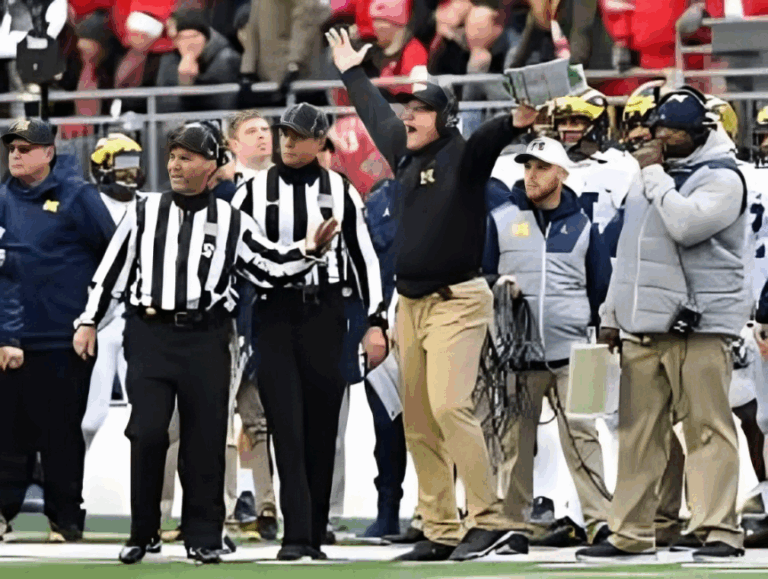
Football officiating offers a unique opportunity to stay connected to the game while earning extra income and serving your local community. Whether you’re a former player, coach, or simply a passionate fan, becoming a football official can be both rewarding and challenging. This comprehensive guide will walk you through everything you need to know to start your officiating career.
Getting Started: Basic Requirements
Most states and organizations have similar entry requirements for new officials:
Age Requirements: Typically 18 years old, though some youth leagues accept officials as young as 14-16
Physical Standards: Must pass a basic fitness test and demonstrate the ability to keep up with play. Vision requirements usually mandate 20/40 corrected vision.
Background Check: Most associations require criminal background checks, especially for youth sports
Training Commitment: Plan to dedicate 20-40 hours initially for training, plus ongoing
education throughout the season The Certification Process
Step 1: Contact Your Local Association
Start by finding your state’s high school athletic association or local football officials association. Most states have regional groups that handle training and game assignments. The National Federation of State High School Associations (NFHS) can help you locate the appropriate contacts.
Step 2: Complete Required Training
New officials typically must complete:
● Rules study and examination (usually requiring 80% or higher to pass)
● Mechanics training covering positioning and movement
● On-field practical sessions
● First aid/CPR certification (often required)
Step 3: Pass Written and Practical Exams
Most associations require both written rules tests and on-field evaluations. The written exam covers rule knowledge, while practical tests assess your ability to apply rules in game situations.
Step 4: Obtain Equipment
Officials must purchase their own equipment, including:
● Official’s uniform (typically black and white striped shirt, black pants, black shoes)
● Penalty flags (usually two)
● Whistle and lanyard
● Bean bag markers
● Game cards and pencil
● Measuring chain (for certain positions)
Initial equipment costs typically range from $150-300.
Officials must purchase their own equipment, including:
● Official’s uniform (typically black and white striped shirt, black pants, black shoes)
● Penalty flags (usually two)
● Whistle and lanyard
● Bean bag markers
● Game cards and pencil
● Measuring chain (for certain positions)
Initial equipment costs typically range from $150-300.
Climbing the Ladder: Career Progression
Football officiating follows a clear hierarchy:
Youth/Recreational Leagues: Entry level with simplified rules and shorter games
Middle School: Introduction to more complex rules and faster-paced games
Junior Varsity High School: Sub-varsity level with full rules application
Varsity High School: The goal for most officials, requiring several years of experience
College: Requires extensive experience, superior ratings, and often additional training
Professional: The pinnacle requiring decades of experience and exceptional performance Most officials spend 2-3 years at youth and middle school levels before advancing to high school football. College officiating typically requires 5-10 years of high school experience with consistently high ratings.
Time Commitment and Compensation
The football season typically runs from August through November, with playoffs extending into December. Weekly time commitments include:
● Game assignments: 3-4 hours per game
● Travel time to games
● Weekly association meetings: 1-2 hours
● Rule study and preparation: 2-3 hours
● Off-season training and clinics
Compensation varies significantly by level and region:
● Youth games: $25-50 per game
● Middle school: $40-70 per game
● High school JV: $60-90 per game
● High school varsity: $80-150 per game
● College: $200-800+ per game
While few officials make a living solely from officiating, many earn $2,000-5,000 annually at the high school level.
Tips for Success
Start Small: Begin with youth or middle school games to develop skills without overwhelming pressure.
Find a Mentor: Connect with experienced officials who can provide guidance and advice. Stay Humble: Accept feedback and learn from mistakes. Even veteran officials continue learning.
Maintain Professionalism: Your conduct on and off the field reflects on all officials.
Invest in Improvement: Attend clinics, study film, and seek opportunities to grow.
Build Relationships: Network with other officials and association leadership.
Stay Physically Fit: Maintain conditioning year-round to perform at your best.
Getting Started Today
Ready to begin your officiating journey? Here’s your action plan:
1. Contact your state’s high school athletic association or search online for local football officials associations
2. Attend an informational meeting to learn about requirements and expectations
3. Register for the next new official’s class
4. Begin studying the rule book and mechanics manual
5. Purchase basic equipment and uniform items
6. Complete required training and examinations
7. Accept your first game assignments and begin gaining experience
Call to Action
Becoming a football official requires dedication, continuous learning, and thick skin, but it offers unique rewards for those passionate about the game. If you’ve ever sat in the stands complaining about the football officials, or any sports officials for that matter, get into the game. Help us make it better. You’ll play a crucial role in ensuring fair competition while staying connected to football at the community level. Whether you officiate for a few years or make it a lifelong pursuit, the experience will challenge you, teach you valuable life skills, and connect you with a community of dedicated individuals who share your love of the game.
The journey from first whistle to seasoned official takes time and commitment, but every experienced official started exactly where you are now. Take that first step by contacting your local association, and begin your rewarding journey as a football official.